We have been to 50+ countries including many developed countries, with African safaris being the most expensive of trip till date. We always wondered why low-income countries like Kenya, Tanzania have one of the highest rates- we list some reasons why
1. National Park per daily charges range from $50-$200 that is not avoidable
- Parks encourage limited, responsible wildlife viewing
- Masai Mara is on the higher end of the range
- Ngorongoro crater fee for vehicles is $295
2. Accommodation is difficult in the middle of national parks with no roads or permanent establishments
- Our stay averaged $300-350 per day for 3 people
- Most hotels are temporary tents that can be moved in rainy season
- Camping is allowed, but difficult to do beyond 2-3 days with limited shower and food facilities
- Transporting food and essentials is costly
- Everything is manual and intensive effort based. For example, hot water is put into overhead tanks manually for showers
- Many workers migrate large distances from home and visit only during off season
- 3 star options have not so good reviews. We ended up upgrading to 4 stars just because we wanted to ensure good stay and vegetarian food options
3. Chances of frauds with tour operators are high
- There have been many instances of people reporting shut down of operators without refunds. Go only with operators with 100+ reviews
- We decided to pay a premium since our operator had thousands of good reviews
- Safari Bookings has good listings and reviews which can help search for operators in the region
- Credit card payments attract huge fee in absolute amount when you pay 3-5% extra. Bank transfers have limited insurance covers, so you need to be careful with credibility of operators
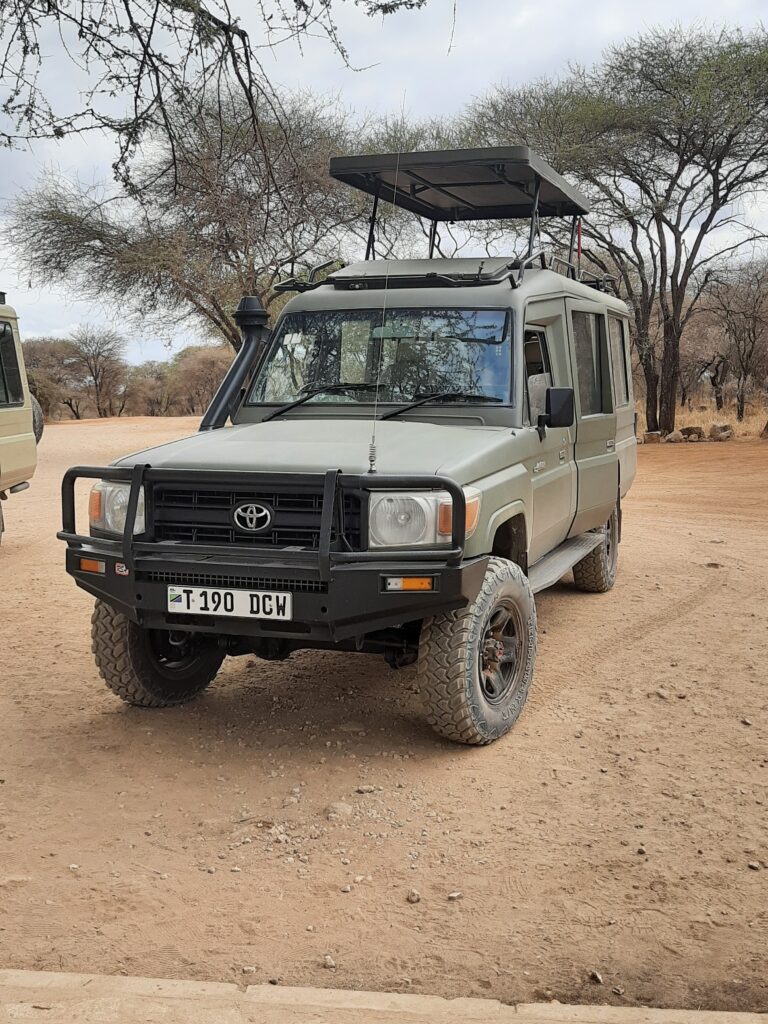
4. Vehicles are subject to wear and tears in off-roading conditions
- Expect breakdowns and change of tires at least once
- Constant replacements mean high costs again
- Look for KATO, TATO Tour Operator Association memberships for Kenya and Tanzania operators respectively
5. Tour guides are skilled I wildlife spotting and driving in tough conditions
- We were amazed by how guides can multitask avoiding potholes, overtaking slow vehicles, spotting wildlife on top of a tree which we could only find through binoculars
- They are well trained and passionate for the job
- Most get jobs only for limited months in the year during high season only. They need to be compensated enough
6. Daily tipping is expected
- Budget $10 per person per day for guides, $2-5 for luggage helpers, support staff
- If you want to carry your own luggage, be explicit
7. It is tough to organize everything on your own
- Self drive options are limited in parks without roads and GPS
- There is no destination per se. Guides communicate through walkie-talkies on wildlife locations, so best to rely on their expertise
8. Large group tours are limited by size of vans- you anyway end up in smaller groups
- Buses are not allowed in parks
- Wildlife spotting is better in small vans anyway
9. Some countries need vaccination for Yellow fever
- Vaccination in Nairobi can cost $30. It is cheaper to get it from countries like India before departure
- You need to take this minimum of 10 days before intended travel for vaccination to be effective and also take care of side effects if any
10. Tours are all inclusive (except for tips)
- Your meals 3 times a day is covered
- You almost reach same price after adding national park fee, vehicle, permit, guide costs vs. independently doing it
- It is best to have some local help when infrastructure and rules are limited
How you could optimize your safari budget
We don’t regret spending a bomb on this safari and still recommend extending budget in Africa vs. developed countries. In hindsight, some of the tweaks we would do to reduce costs if really tight on budget
- Spend a day less in Masai Mara and Serengeti- These 2 are basically same park. We spent 2 days each, hence 4 days together. While spending more times means more animals, we could do with a day less each since our overall tour anyway was for 12 days
- Go with tour operator with 100 reviews instead of 1000+, who are still affiliated to KATO/ TATO. This could have reduced $400 expense per person
- Go with 3 star hotels despite patchy track record. You can still manage to get bread/ corn flakes to survive.
- Join shorter group tours if you have flexibility of dates and sequencing of National Parks
- You could also go camping if solo or with younger group
- If you are not a huge wildlife buff, a total of 4-5 days can give you a good sense vs. longer trips like 12 days