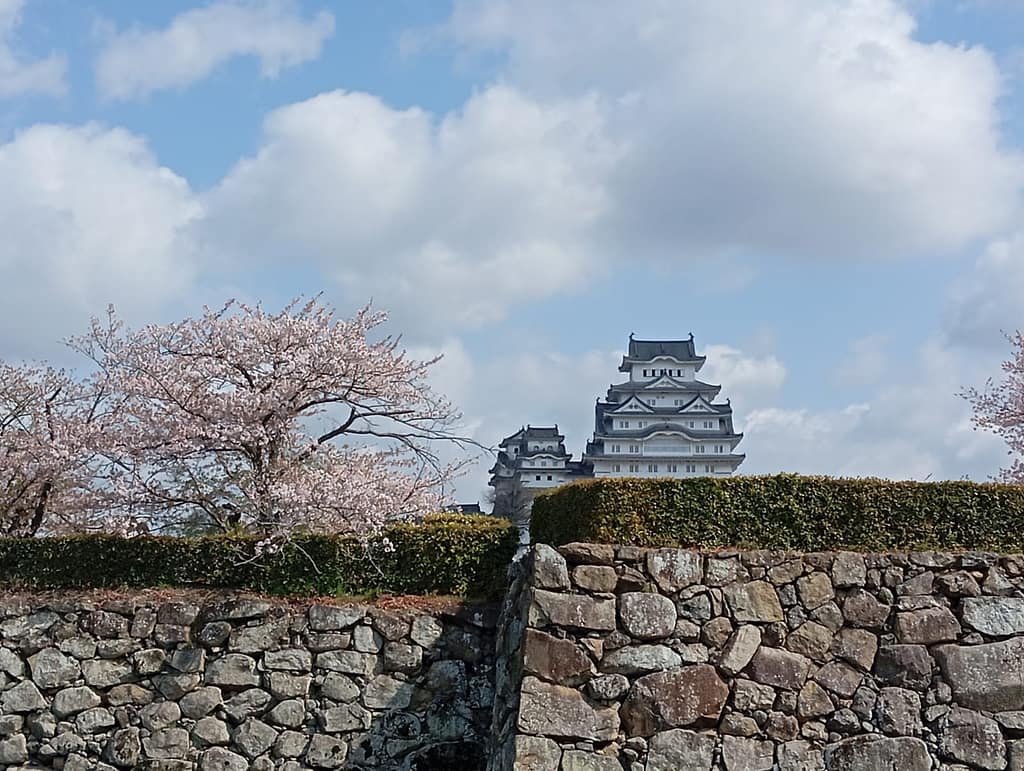
Japan takes the first place on the amount of time that went into planning among all my travels. It was surprising since Japan is one of the advanced countries with efficient transport, infrastructure. We list why it is critical to plan for Japan trip
- Cherry blossom season lasts only a week in peak beauty and a month overall. Rain can wash away blossoms earlier
- Check forecasts on official portals which get revised at regular intervals
- Try catching late blossoms at higher altitude areas if you miss at one location
- Japan guide has comprehensive set of information about most places
- Spring season has many blooms beyond cherry blossom. Catch different kinds of flowers in a short window
- Nemophila or baby blue eyes and at Hitachi seaside park in April. Hitachi park is famous for Kochia in Autumn
- Shibasakura in late April, close to Golden week
- Wisteria at Ashikaga park late April- May
- Taxis are very expensive. An airdrop drop can leave with lighter by $250-500, which means public transport is the way for most of us to go
- Multiple regions and railway companies have their own passes to make travel affordable, which means you need to compare your itinerary, pass options and choose the one that is economically better off. Some handy tools
- JR pass calculator
- Train options finder
- Some handy tools
- Japanese airlines offer free domestic travel if you book international routes with them. You can optimize travel and not take a JR pass for covering places like Hokkaido, Kyushu
- Keep an eye on promotions from JAL, ANA
- Some discounted options exist, but fares are typically non-refundable, so read the terms carefully
- JR pass that covers national railway network comes in 7,14, 2 day variants where the validity is for continuous days only. This means
- You need to plan your routes so that all days that need the pass are bunched together. You can separate Tokyo days and bus heavy days outside of it
- You need to pick only trains covered by the pass. Very high-speed trains like Nozomi are not covered in the pass. Not a big problem from frequency perspective, but just avoid getting into one accidentally and paying fines
- Peak seasons need reservations of seats in trains. JR pass seat reservation can happen outside Japan 30 days in advance only if bought online
- Avoid buying passes through agents like Klook or local ones even if slightly cheaper
- Remember to take out reservation confirmations on ticket machines before boarding trains
- Some regional passes cover base fare only. Be prepared to pay surcharge for fast trains on these lines
- Nikko pass and Hakone pass are prime examples. Hakone is still manageable with slow trains. Recommend paying surcharge for Nikko in case you want to cover Kegon falls and Lake Chuzenji in a single day along with temples
- Buses and organized group day trips might be better for some routes like Kawaguchiko, Hitachi seaside and Ashikaga park
- You can save JR pass day by taking the bus
- Buses are faster if you want to cover Kawaguchiko to see Mt. Fuji from Tokyo compared to trains/buses from Hakone
- You need to walk a LOT
- Expect 20k steps per day on average, especially with public transport
- Book hotels at train stations to minimize walk. Many chains like JR Mets, Tokoyo Inn, APA are small in room size but reasonable on rates
- Train stations can be confusing
- Shinjuku is a maze! Use Google maps to find right exit points by tracking destination route
- Baggage forwarding services exist and they are a boon. Stations have stairs and 20k steps a day with luggage is not fun, so travel light
- Yamato Ta-Q-Bin service operates from most hotels and grocery chains where you can drop off luggage and get it the same/ next day
- We sent luggage from Osaka to Tokyo, covering Alpine route, Nagano and Takayama with small hand luggage/ backpack only
- Public transport in Tokyo is also a maze, but Yamanote line is a savior. It goes in a loop, so you can also be back to your source in an hour if you get lost
- Stay close to Yamanote line to cover most attractions easily
- Shinagawa also has Shinkansen station, Keikyu line connection to Haneda airport. Hotels near Shinagawa station are best locations to stay in Tokyo. Ueno is 2nd best
- Breakfast is expensive in hotels
- Opt for without breakfast option on days you expect to start early
- Buy essentials and bento boxes from supermarkets, they are quite cheap
- Carry own food if you are vegetarian. You can rely on bread, bananas, yoghurt from supermarkets. Rest are doubtful if fully vegetarian since there are no labelling norms
We took 3 months to plan the trip out, simulate daily itineraries, plan start and stop times since we were particular about covering shortlisted locations within exact 2 weeks’ time. It is not overwhelming if you have the budget or flexibility to extend number of days or skip some places
Happy travels!