Seven sisters of India

North Eastern states are one of the least travelled in India. They are quite unique- the people, culture, education levels, weather, landscape, food. We know very little about their rich customs and traditions. We had been to Sikkim earlier and thought of exploring the region further this time by visiting 4 states of Assam, Meghalaya, Nagaland and Manipur
We visited in March during dry season. We got lucky with animal sightings, but waterfalls were not in full splendor. You will get something out of any season
Getting in
Guwahati airport is the hub for most north eastern states. We entered in through Guwahati in Assam and left through Imphal in Manipur
Getting around
We always prefer travelling on our own, but given lack of public transport, extent of bad roads and remoteness of certain locations, we highly recommend going through a local tour operator, specially if your schedule is tight and want to predictably visit all locations as per plan
We went with Koyeli travels based out of Guwahati. They run specialized and customized tours. We were highly satisfied with them and strongly recommend going with them
Places to visit in North East India
Here is our day wise itinerary
Meghalaya
Day 1: Arrival into Guwahati, travel to Shillong
You can take a cruise along river Brahmaputra in Guwahati. Evening sunset cruise offers local performances and dinner options
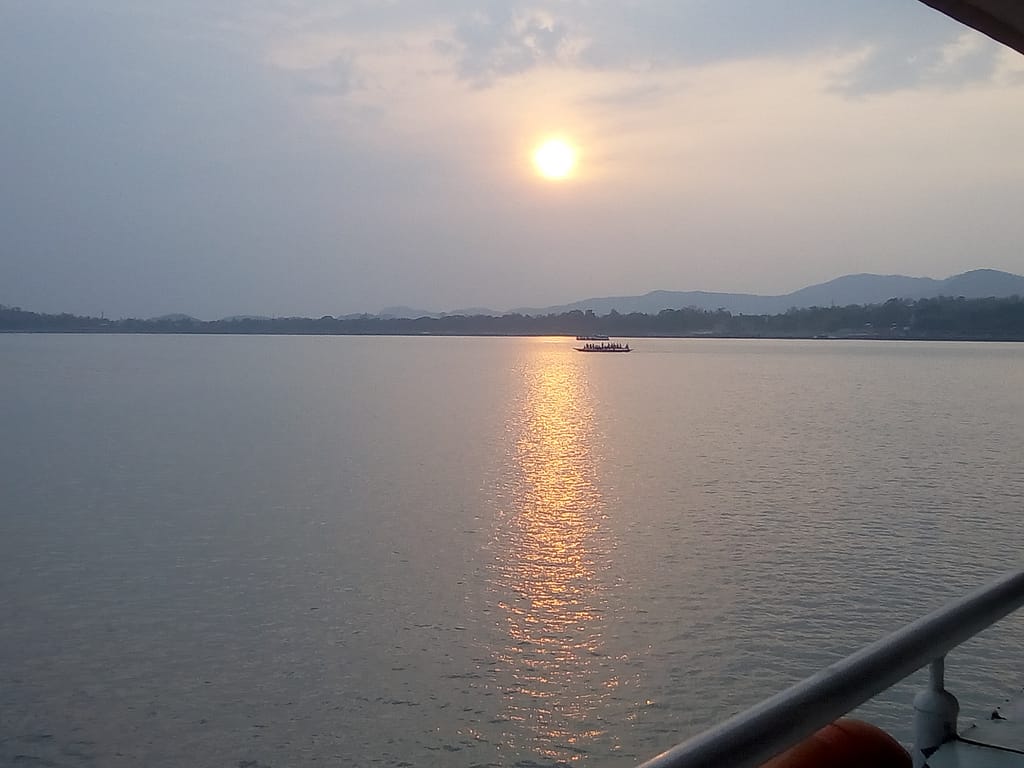
If you have time and the courage, visit Kamakhya temple. I came out midway after seeing all the blood and animals ready for slaughter
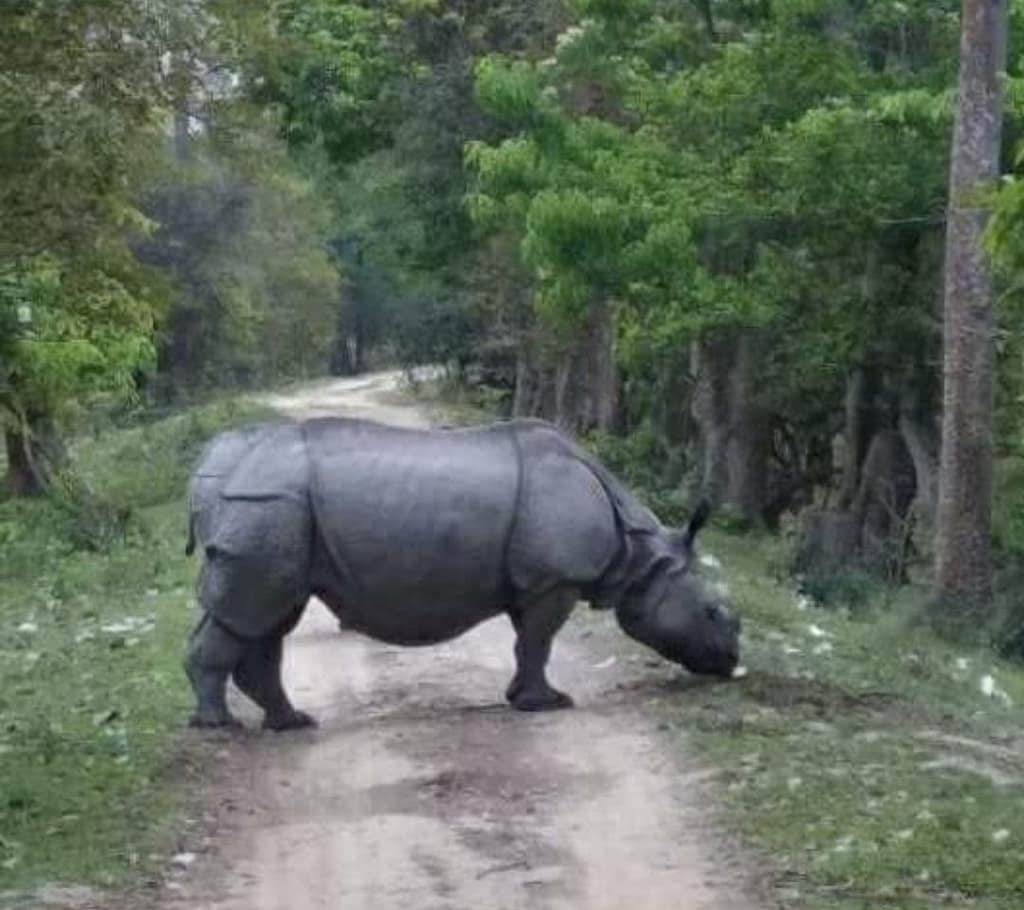
An hour away is Pobitora Sanctuary with largest density of Rhinos. There are more than 100 rhinos here. We went there on a separate visit
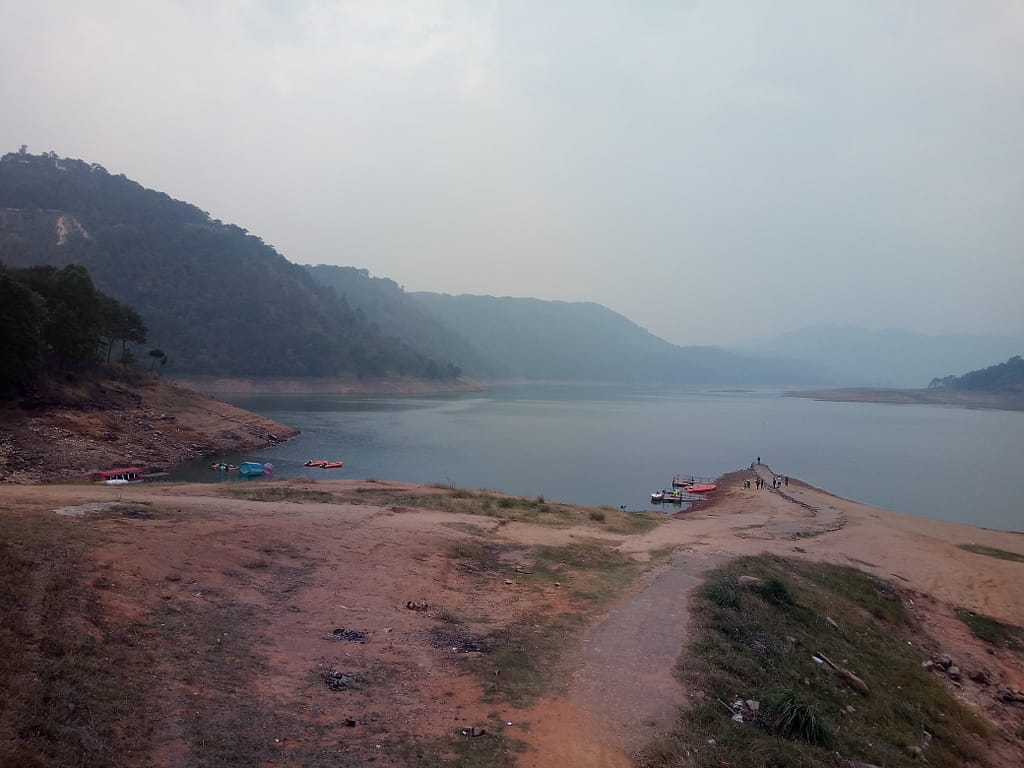
We visited Barapani lake on the way, also known as Umiam lake and Don Bosco museum as we had some time
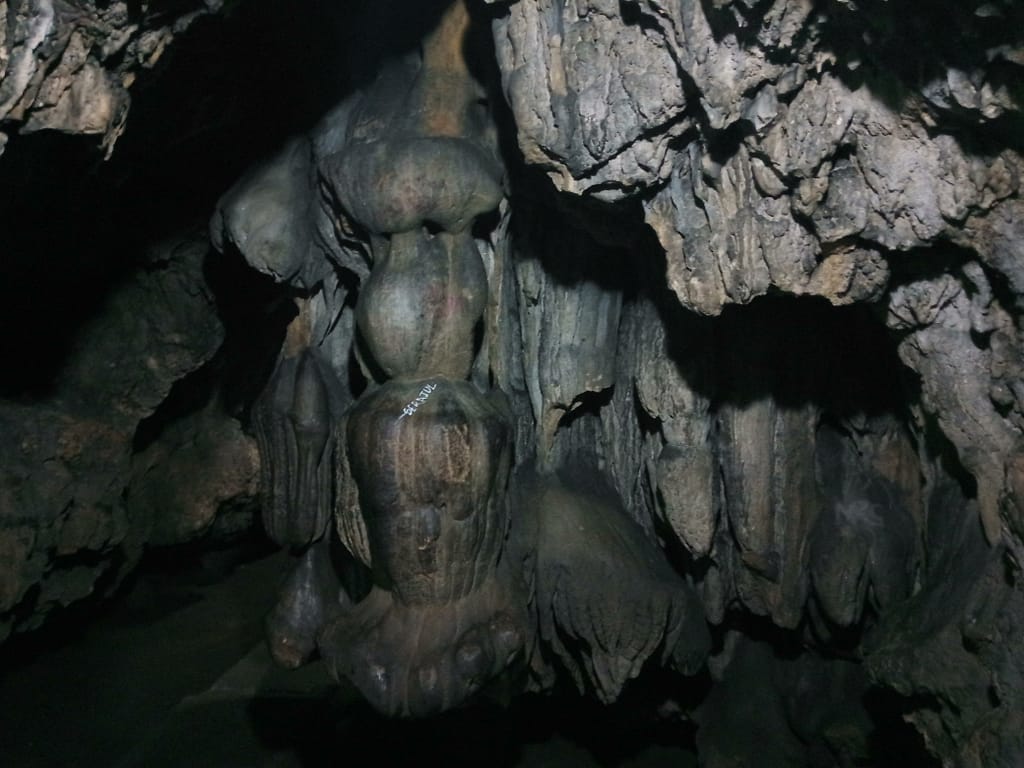
Day 2: Cherrapunjee, Elephant falls, Mawsmai Cave, Seven Sisters Falls and Nohkalikai Falls


Day 3: Cleanest village Mawllynong, Umngot river at Dawki

You need to go into smaller villages to see double decker root brige
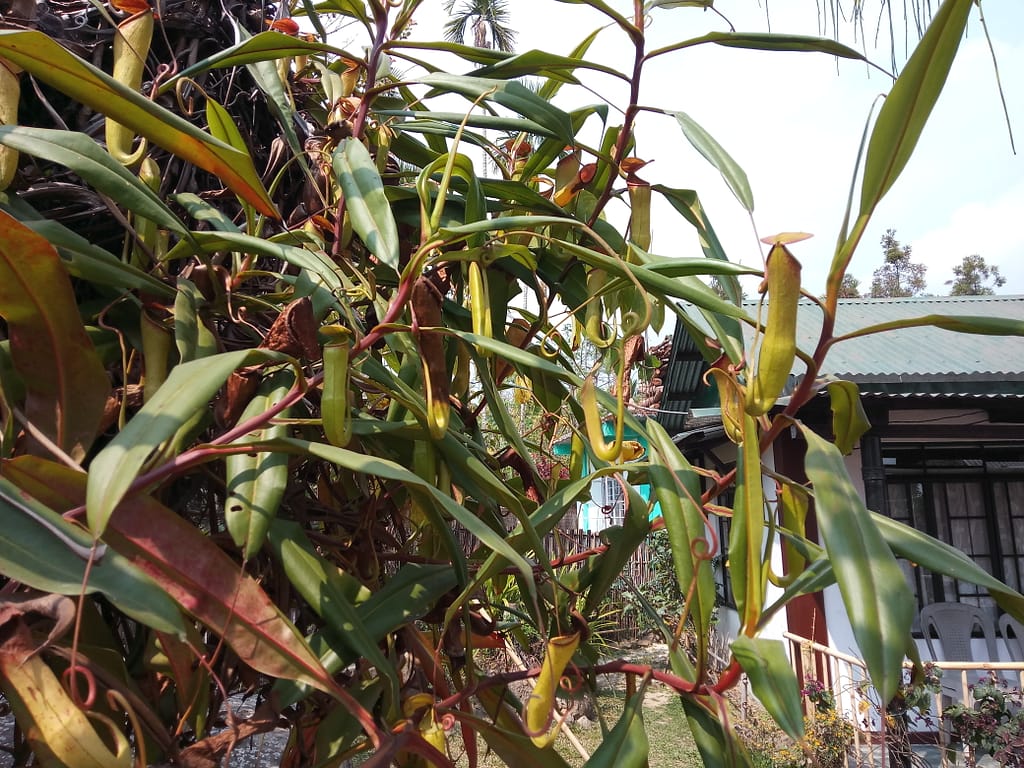
Mawllynong village has 90% literacy rate and no dropout till class V. Most villagers follow Christianity. You can see Bangladesh from the hill tops and the border at Dawki

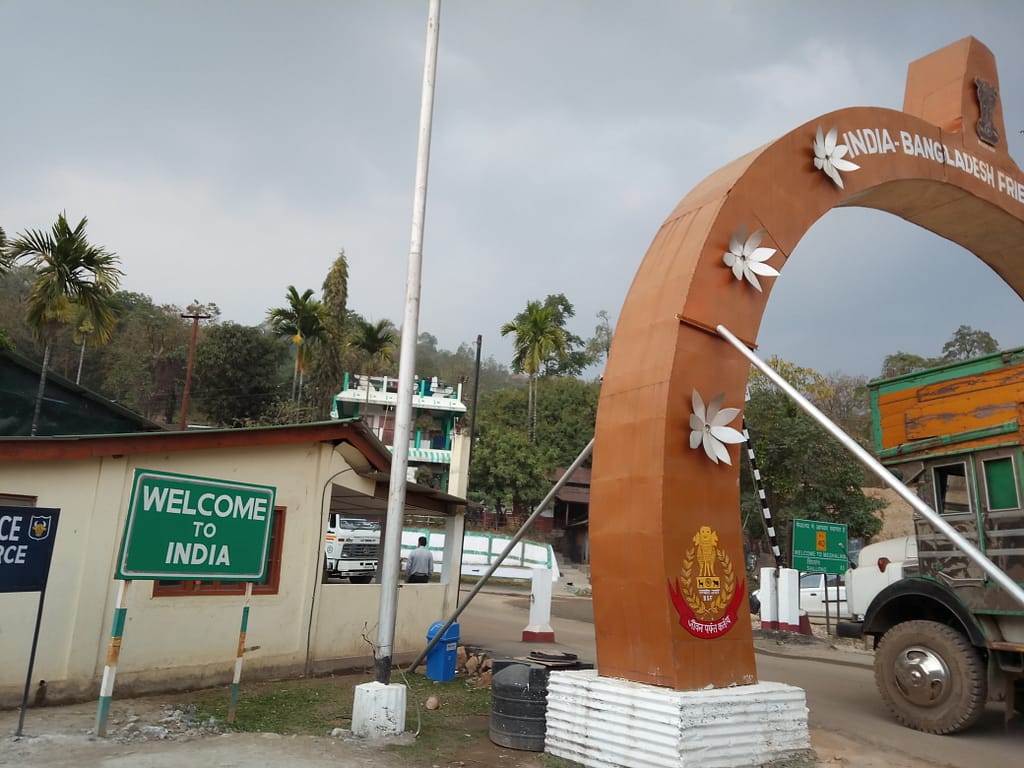
Assam
Day 4: Shillong to Kaziranga
You get to see Laitlum canyon on the way

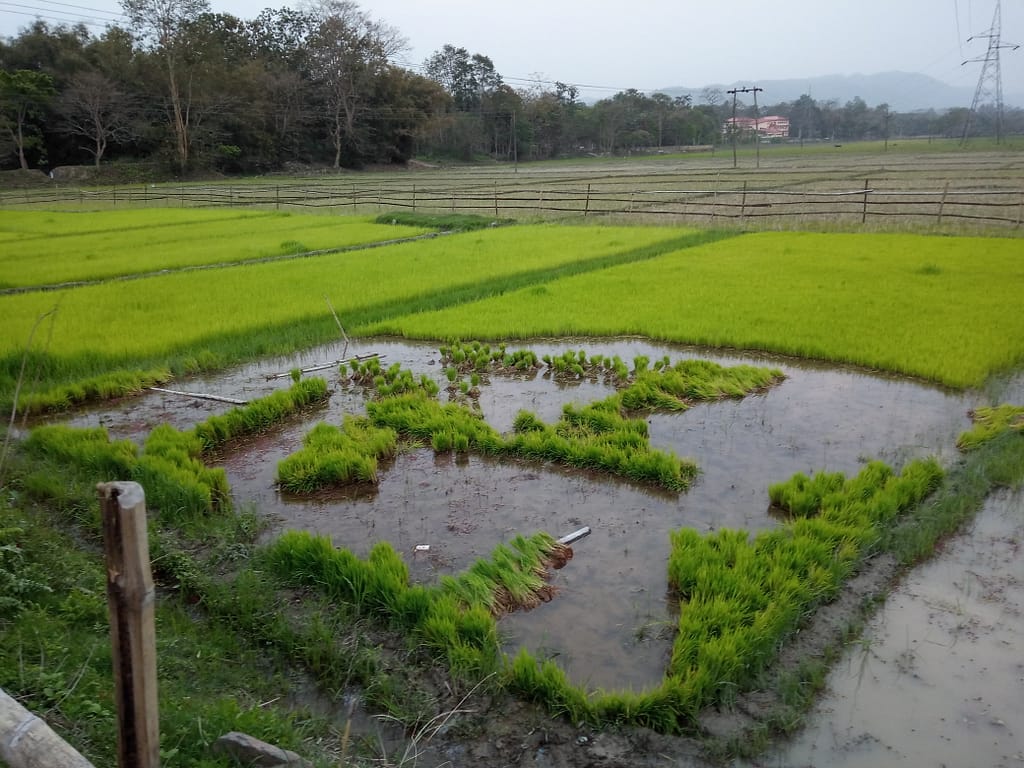
Day 5: Kaziranga National Park safari
We recommend you take jeep tours and avoid elephant rides. What you get to see will be the same

We saw deers, buffaloes, elephants, hornbills, turtles and loads of rhinos
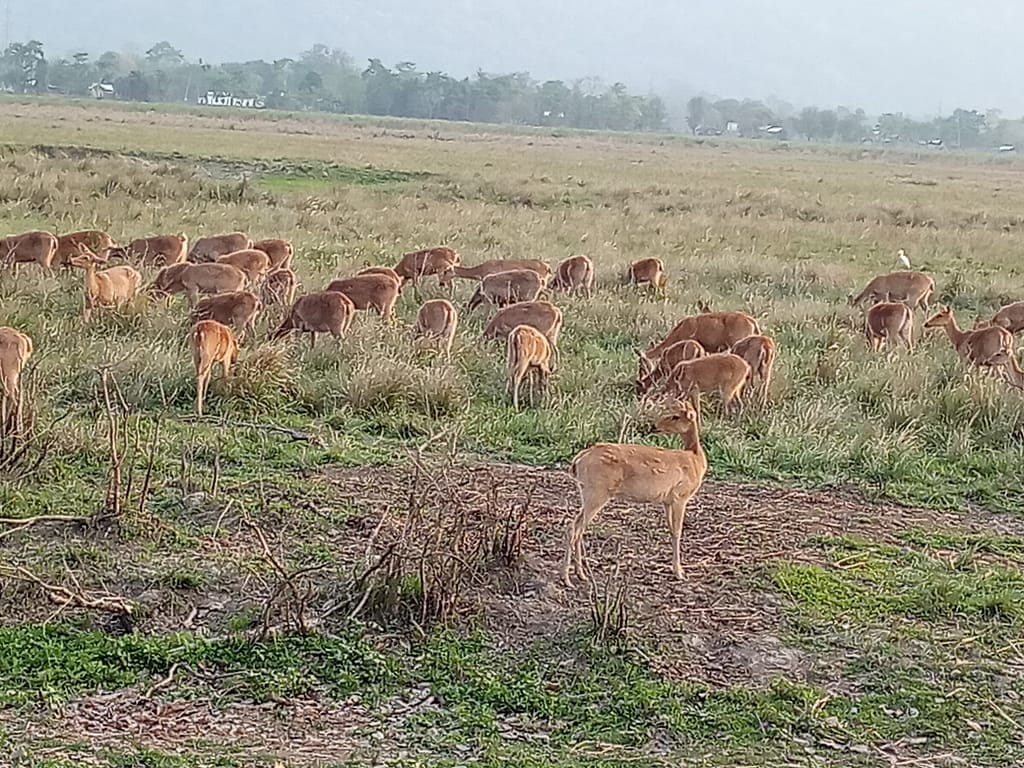

Day 6: Kaziranga to Majuli
The ferry from Neematighat into Majuli is for people, vehicles and goods
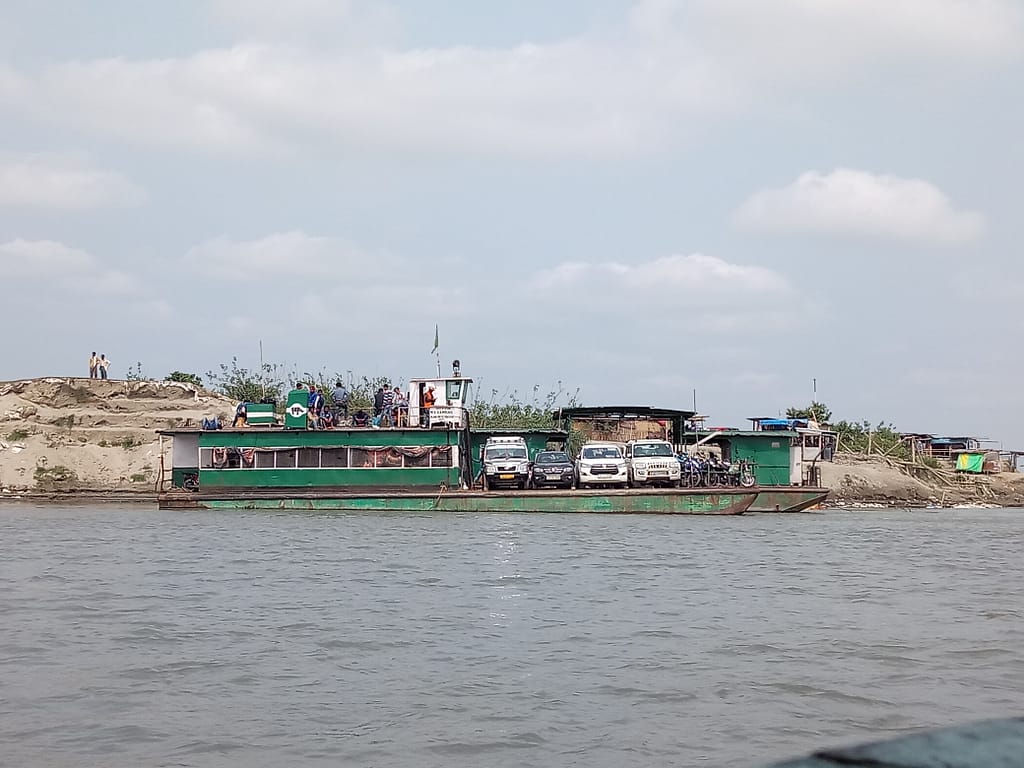
Majuli is the largest river island in the world. There are many “Satras“ like Kamalabari Satra, Garmur Satra, Auni Ati Satra, coming from traditions of Srimanta Sankaradeva

You can see mask making with natural ingredients like bamboo, cow dung in some of the artists’ homes
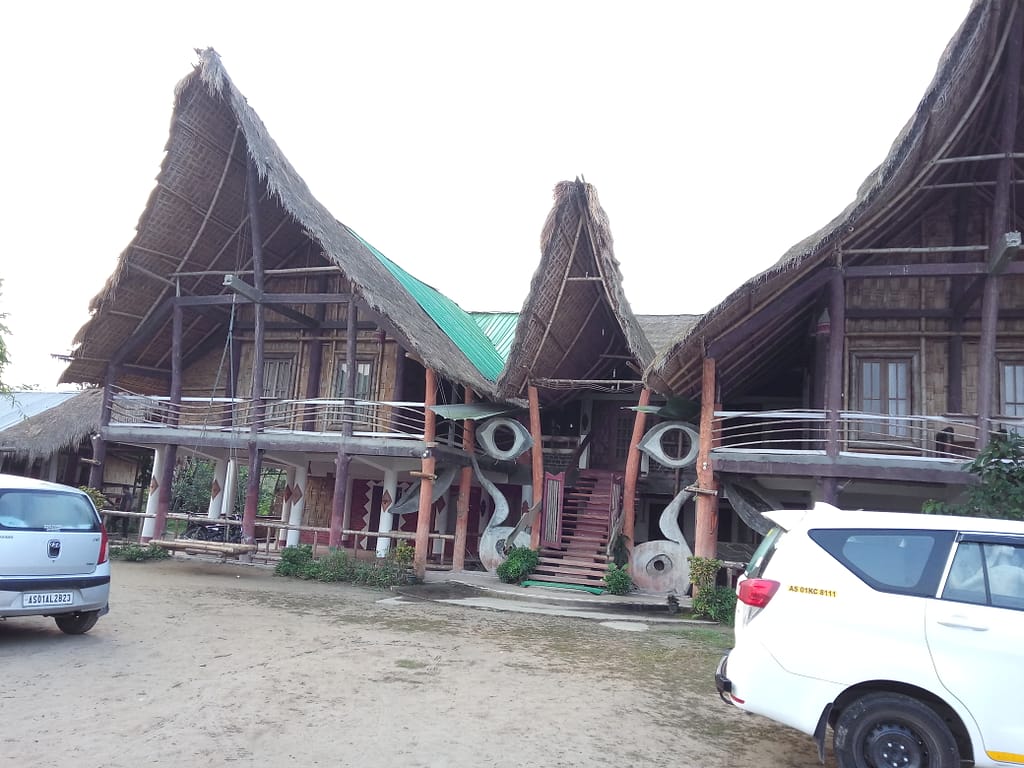
Nagaland
Day 7: Majuli to Kohima
We had breakfast in Jorhat at Thengal Manor, a mansion converted into a hotel. This was built by 1929 by Rai Bahadur Siva Prasad Barua, but left unoccupied after an earthquake in 1950 for 13 years. We were a bit anxious when or driver got us here, thinking it would be super expensive. It was slightly above average cost, not too heavy on the pocket. We got to see the grandeur of ancient royalty here as a bonus!
We were totally unaware of another destination 2 hours from Jorhat- the Hoolangapar Gibbon sanctuary, home to Hoolock gibbons with distinct white eyebrows. Apart from the famous gibbons, you can also spot apes like capped langur, pigtail macaque, slow loris, Assamese macaque, stump-tailed macaque, rhesus macaque and other species like elephants, birds. We would like to visit this awesome place in future

Day 8: Visit to Khonoma Village and Kohima World War- II Cemetery
Khonoma is a traditional Naga village. It was home to Angami Zapu Phizo who was the founder of the Naga movement. You can see traditional homes, rice terraces and daily way of living
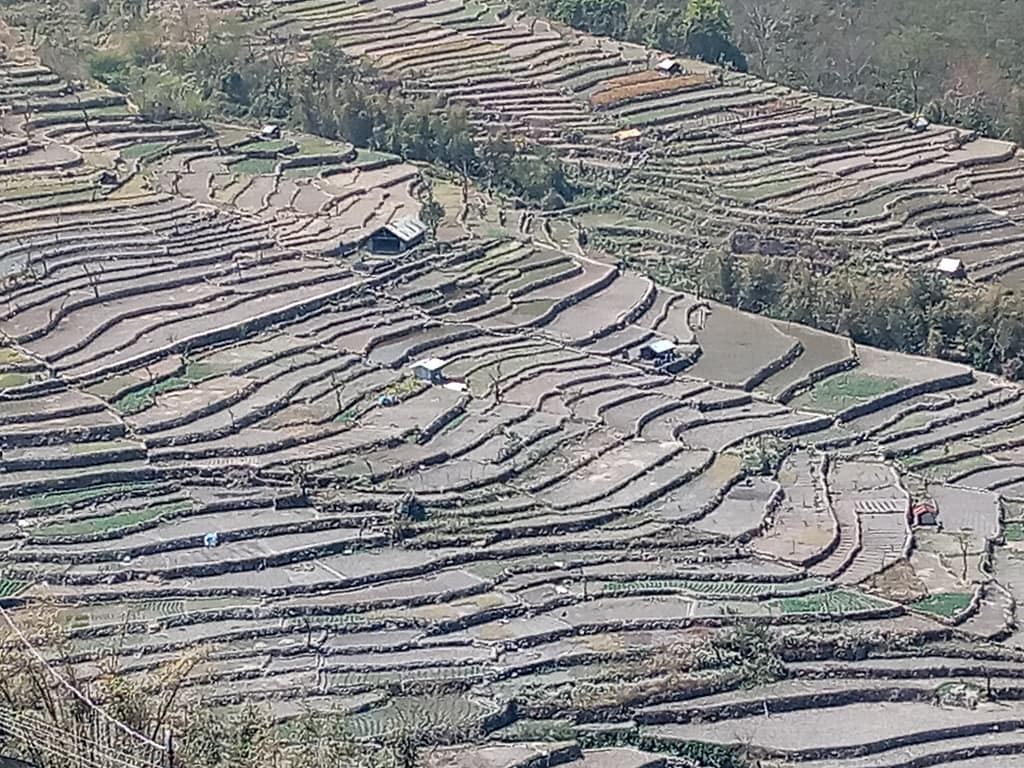

There is a village to host Hornbill festival every November which each tribe comes in to showcase their culture, food and traditions. The village is open all year to visit. There are “morungs” or houses of 16 tribes showcasing unique architecture and customs

Manipur
Day 9: Kohima to Imphal
We visited Kangla fort, Sree Govindajee temple, Ima market run by women
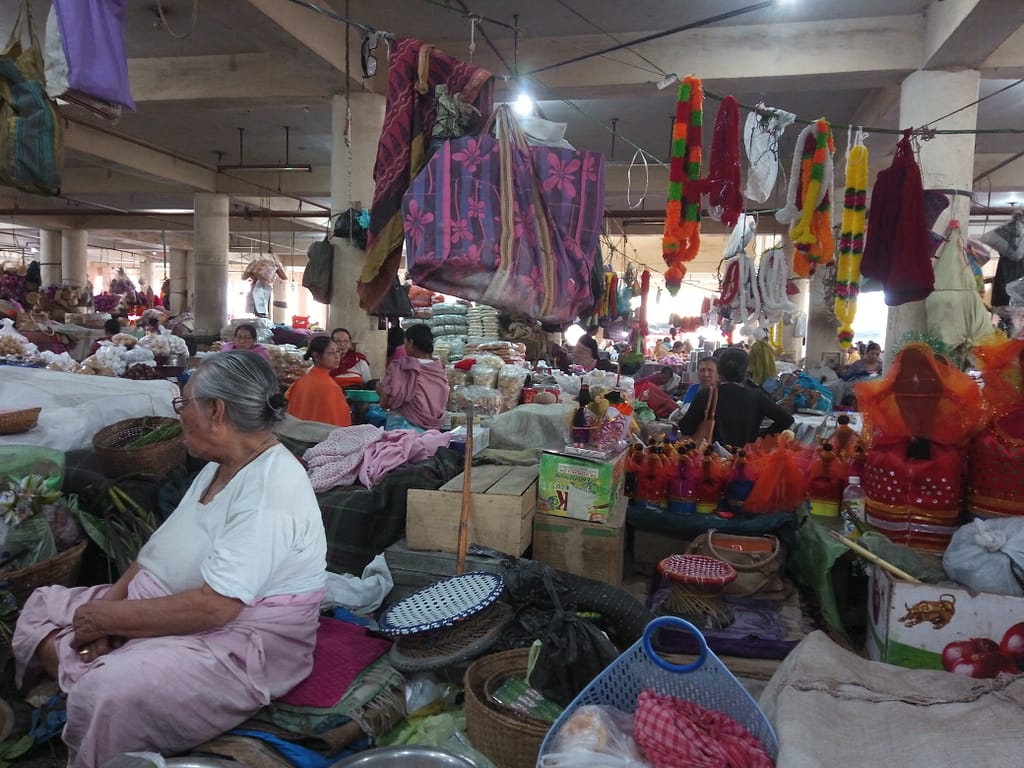
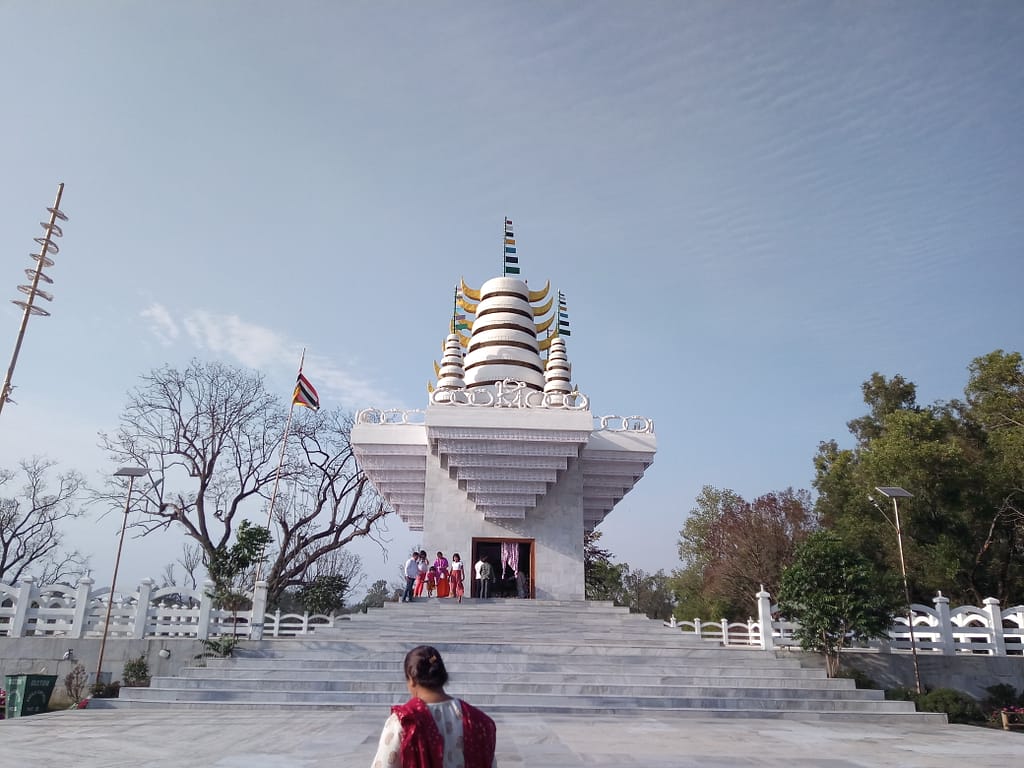
Day 10: Loktak lake and Keibul Lamjao National Park
Loktak lake has circular grass loops called “Phumdi“ for fishing
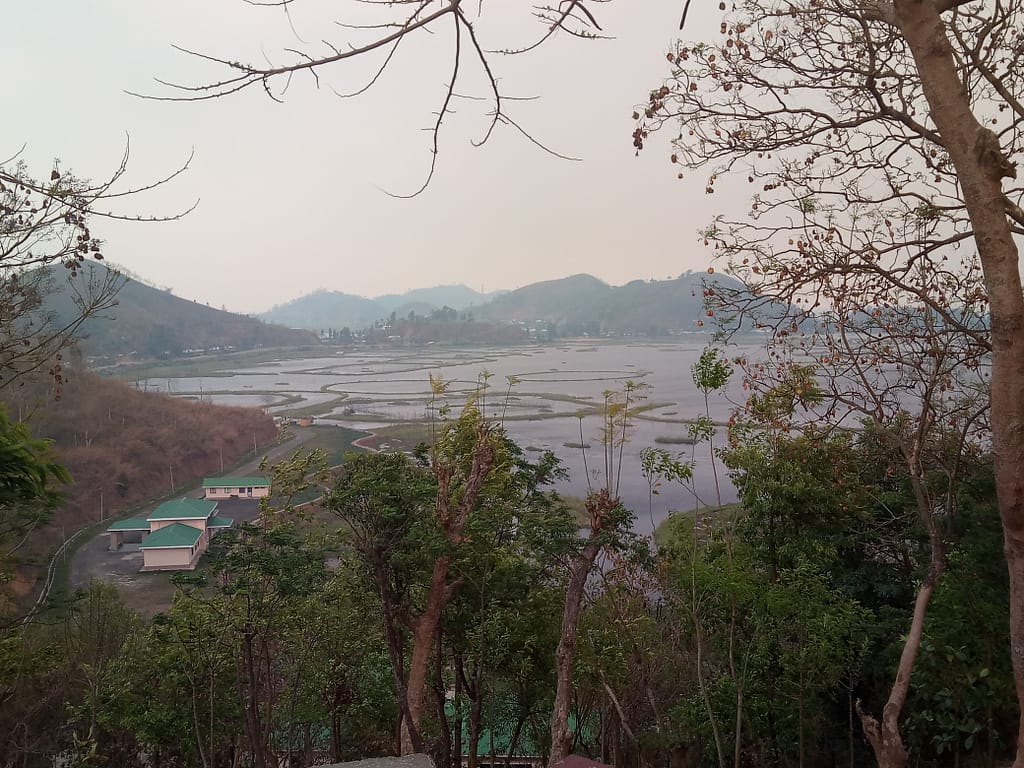
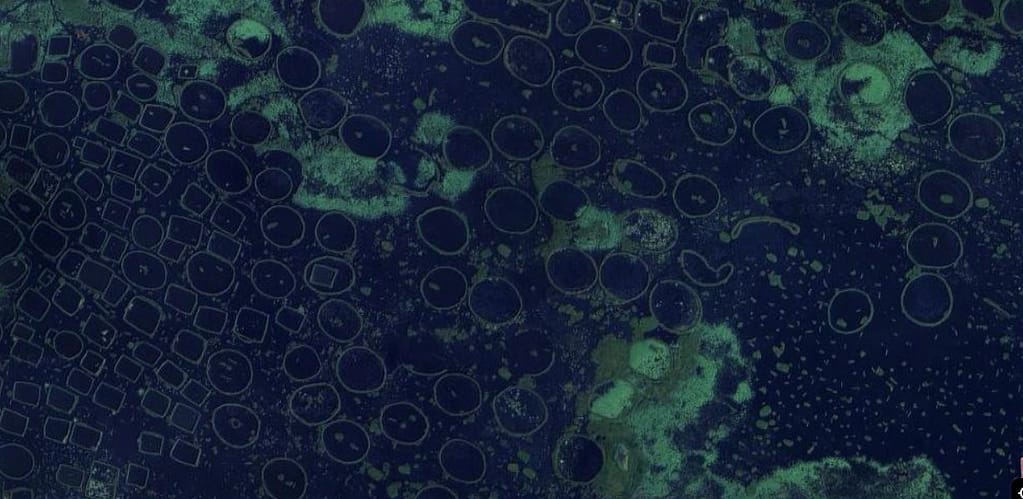
Keibul Lamjao National Park is a unique floating National Park. You can use binoculars on pillar tops to search for Sangai deers
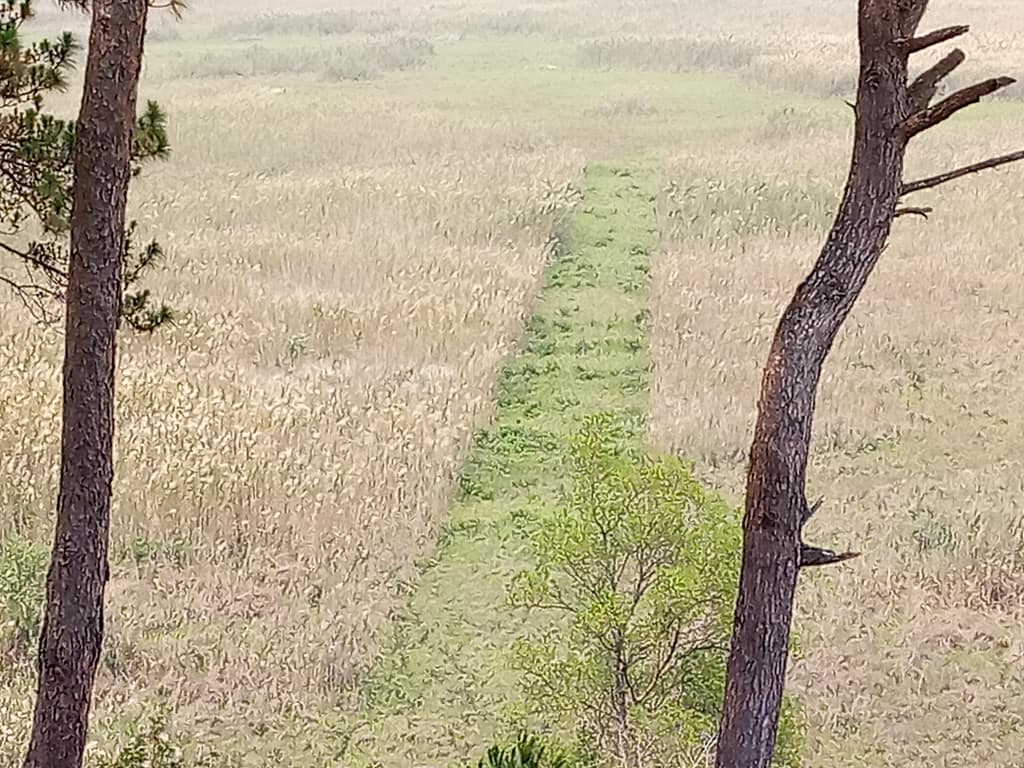
We visited INA museum, Loukoi Pat lake, Japanese War Memorial on the way back to Imphal
Day 11: Return from Imphal
Where we stayed
Our hotels were booked by the tour operator. Although most are not highly rated, we had a very good stay at all places. The locals go out of their way to make you feel comfortable
- Elwin Homestay Shillong
Things to know
- Majuli in Assam is largest river island in the worls
- Sohra- Mawsynram area is the wettest place in the world getting more than 11.8k mm rai per year. Ironically Sohra has been dealing with droughts in dry months
- The root bridges in Meghalaya are living ones formed out of Ficus trees
- Kohima in Nagaland has a market where you can get snails, rats, dogs, and many more animals
- Rhinos are Kaziranga are being fed salt by some locals and they are turning domesticated
Cost
We spent INR 76k per person ($900) excluding flights and including transport, breakfast
- Flights: 10k
- Tour: 60k
- Local expenses- food, entry: 6k at 500 per day