Cusco is a cute little town at altitude of 3400 m, the gateway to Machu Pichu. Prominent places to visit around Cusco include Machu Pichu, Sacred Valley, Rainbow mountain, Humantay Lake. The cathedral in the city centre, Qorikancha, Tambomachay, Saqsaywaman (sexy woman reference) ruins can be visited from city centre. Spend the first day acclimatizing- we had mild headaches although we took the night bus which is supposed to be better vs flights. We submitted documentation for Bolivia visa in the first half, headed to Cochahuasi animal sanctuary and rested in the second half on Day 1
Full city tickets cost 130 soles per person, while partial tickets cost 70 soles that covered either of city monuments/ Sacred valley. We chose the partial ticket as we covered only Sacred valley. As you visit multiple ruins, they start looking similar, so our opinion was to visit some of them vs. all
Machu Pichu
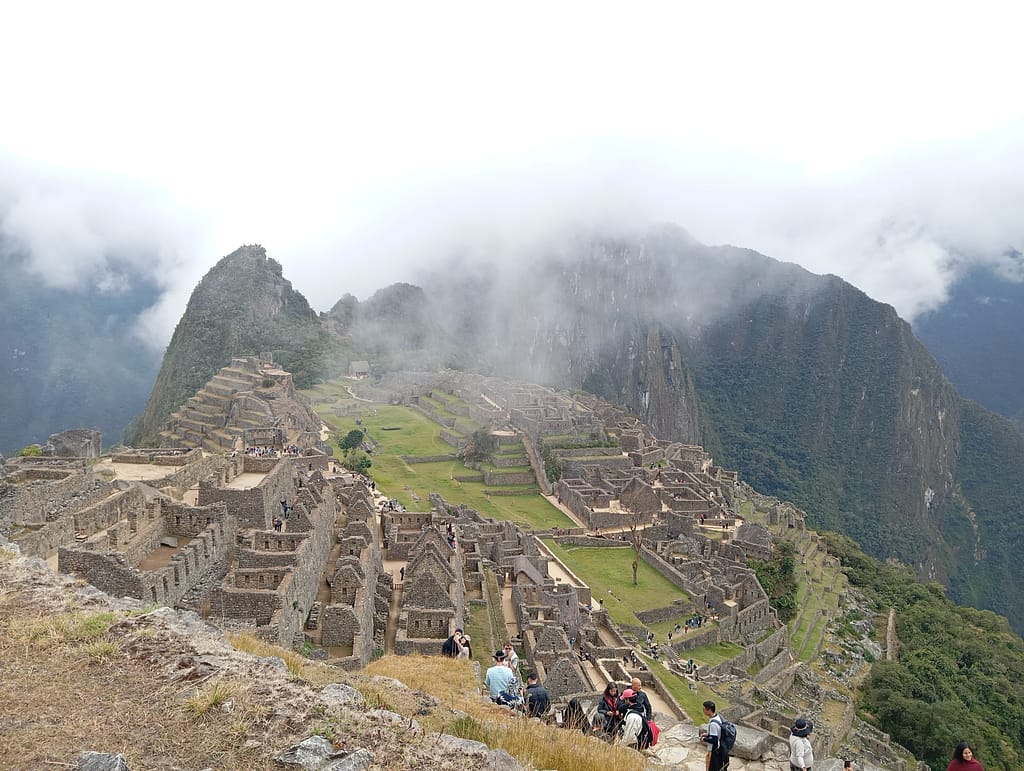
The grandest citadel of Inca period, although unfinished. We did the tour on our own. August is busy season for Machu Pichu and early morning tickets get sold weeks in advance. Book atleast 3-6 months ahead of time on official website. You can go to Machu Pichu on your own. A tour is not necessary. Book train tickets through Peru/ Inca rail along with bus tickets from Cusco and you are good to go. Circuit 2A / Classic circuit is the most preferred one that includes the iconic view point, sun temple and other major points. This gets booked 6 months in advance, so book early. Circuit 2B is very similar, so next best alternative
Machu Pichu was the best among all the Inca ruins. The location amidst tall mountains, clouds paying hide and seek, lush green vegetation- all added to the beauty. We did not have much trouble climbing the ruins in the first 15 minutes of the trail. Post that, it is mostly flat or downward. You can spot cute Llamas on the trail, giving an authentic feel to the ruins
Peru rail is slightly cheaper than Inca rail. We booked normal expedition tickets, but the coaches felt like partial Vistadome with windows on the ceiling. On your way back, you can witness Peruvian dance send off at Machu Pichu station. The station also has many avocado trees outside with large fruits!
Wanchaq station in Cusco is the starting point for Peru rail bus. You need to go inside the station where the buses are parked. The transfer from bus to train at Ollantaytambo was simple as there were directions on walking a few meters. The bus is slightly expensive compared to colectivos, but the convenience pays off. From Machu Pichu station at Aguas Calientes, you need to take a bus which can be booked after arrival or in advance from Consettur website. You can avoid booking queue which is not much if you purchase online, however you cannot skip waiting queue which is linked to timing on your entry ticket. We had to wait for 45 -60 minutes while going and 30 minutes on our return
A lot of items were on prohibited list including food, hiking poles etc, but no bags were checked. We regretted not getting enough food for the long day
Start early if you want to finish in a day. We booked 6 AM train and 4 PM train during return. The buses to and from Ollantaytambo were included in the tickets (although the return ticket mentioned Poroy on it, we were asked to disembark at Ollantaytambo). It is recommended to take a bus to Ollantaytambo than start on a train from Cusco itself since travel is faster by road on this route
One option is to stay in Ollantaytambo after sacred valley tour, but we wanted to avoid the hastle of shifting bags, so opted for day tours from Cusco
Rainbow mountain (Vinicunca)
Many fellow travelers warned us of the altitude which is 5200 meters, almost as Everest base camp. The hike becomes tough at the altitude, although it is not technical.
We chose to take the motorcycle to the top costing 70 soles per person. They dropped us almost at the top, beyond the horse drop point. Horses costed the same, but we wanted to avoid troubling animals. This helped us avoid climbing one way and gave enough energy to hike up to red valley and then descend. If you have slightest of doubts on the hike, we recommend taking the motorcycle to conserve energy and avoid altitude sickness. They have helmets for driver and pinion riders, felt safe
Red Valley is another hour of hike, although the distance is not large and the view point is visible from the bottom. Surprisingly we had a hard time descending too, given the loose sand and slippery pathway. We started red valley hike around 10 AM and returned by 2 PM to vehicle point, almost an hour behind schedule
The colors are very good, but not like the ones you see on Instagram. The alpacas with goggles are funny! The snow-clad mountains all around add a charm to the trail. Red valley was also really good, but felt less colorful compared to our expectations. Some travelers felt red valley was better than the rainbow mountains!
We took this tour from Machu Pichu reservations covering rainbow mountain and red valley. The tour included breakfast and lunch, with decent options for vegetarians if you can live on salads and rice, sometimes without curries. You can find slightly cheaper options excluding food/ red valley
Palcoyo mountains are an alternate with lesser hike, but not as spectacular as Vinicunca is what we heard
Sacred Valley
We took the full day tour from Machu Pichu reservations. You can stop from Ollantaytambo, skipping Pisac if you plan to stay there to take Machu Pichu tour the next day
Chinchero: The first stop in the day and our first visit to Inca ruins. You get to learn about different types of walls for commoners and elite. The town square is cute and you can spot Peruvian National flower Cantuta here on the terraces
Weaving demo: We were skeptical about this stop, but it turned out to be quite entertaining, thanks to the good humor of the lady doing the demonstration. You get to see life cycle from wool to garments, using natural techniques. There are options to buy handwoven garments as well
Maras: Beautiful area with salt mines in white, pink and brown color. It was surprising to learn that the salt terraces are fed by a stream of salt water, saltier than the ocean. The locals who have formed a cooperative earn more from entrance fee than salt sales!
Moray: Three circular agricultural terraces that were used for experimentation.Crops were grown from lowest altitude to highest to test adaptation and build resilience. One of the tree terraces is largest and reconstructed to largest extent
Ollantaytambo: Huge steps leading to a sun temple at the top. To be honest, it felt underwhelming, but the view from top was a saver. The frequent dust storms made it difficult to navigate
Pisac: Another Inca ruin, larger than Ollantaytambo, with a military area and tombs. The stories of construction started to feel similar after visiting so many ruins! The tour included lunch which was nice with many options for vegetarians
Cochahuasi Animal Sanctuary
The sanctuary is half way between Pisac and Cusco. We had a tricky time getting here on Uber since some of the roads were closed and Uber was lost. It is half way towards Pisac. You can find Pumas, Andean Condors, Toucan, Macaws, Coatis, Vicunas, Llamas and Alpacas that are endemic to the region. Entry fee was 25 soles per person and included a guide
The flight of condors was scary but gave us such a good chance to witness them from close distance. The guides do a very good job of explaining names and stories of each animal here- they seem to be well taken care of
Places to visit around Cusco town- Central Plaza
You can get the vibe of the city and visit many cathedrals and museums around the central square. You will need a separate partial city ticket or the full ticket in case you want to combine visit to sacred valley. We skipped entering the cathedrals and admired them from outside!
What we skipped
Humantay Lake, 7 lakes are prominent glacial lakes day treks- the pictures look absolutely beautiful. You can also take the 4 day Salkantay trek or Inca trail to reach Machu Pichu. We skipped both to optimize for the time we had